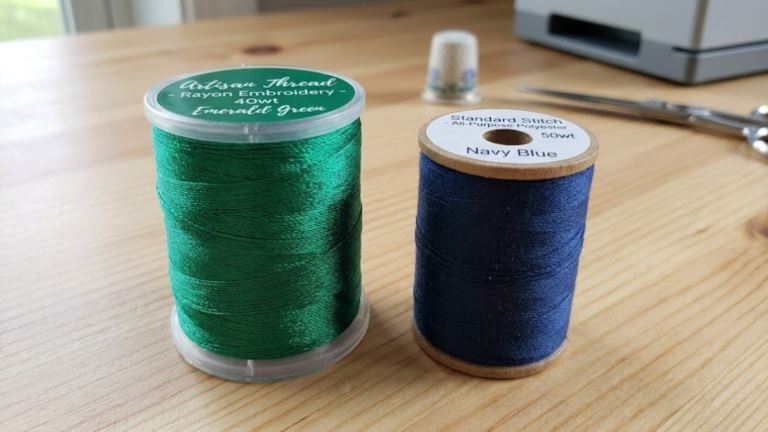
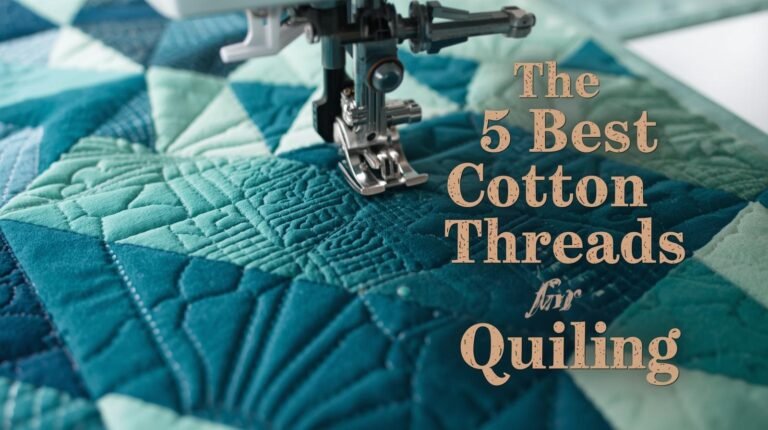
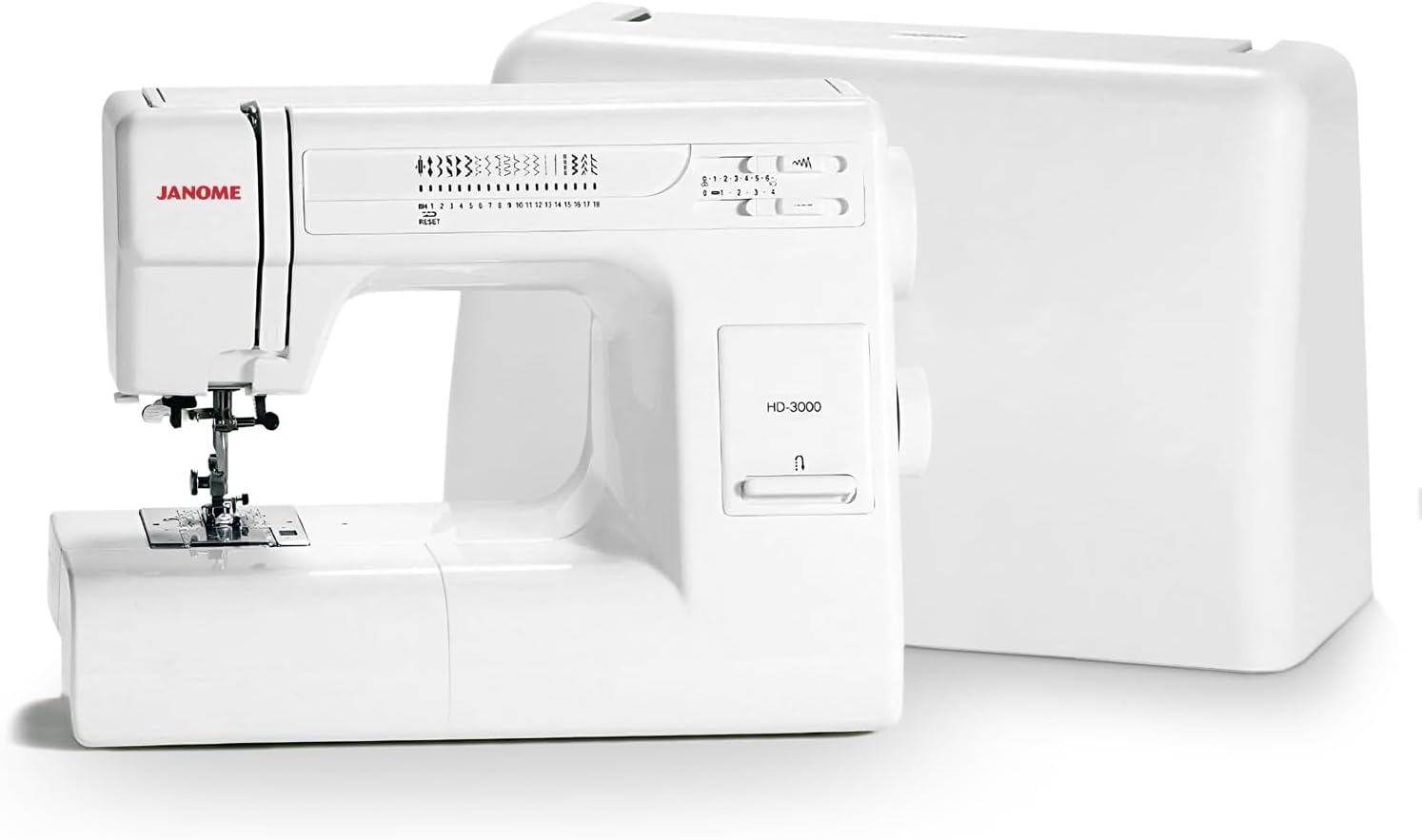
Polyester Thread vs Cotton Thread: Which One Should You Actually Use?
A side-by-side breakdown of strength, stretch, heat tolerance, shrinkage, shine, and real-world performance — so you stop guessing at the thread wall and pick the right spool for the job, every time.
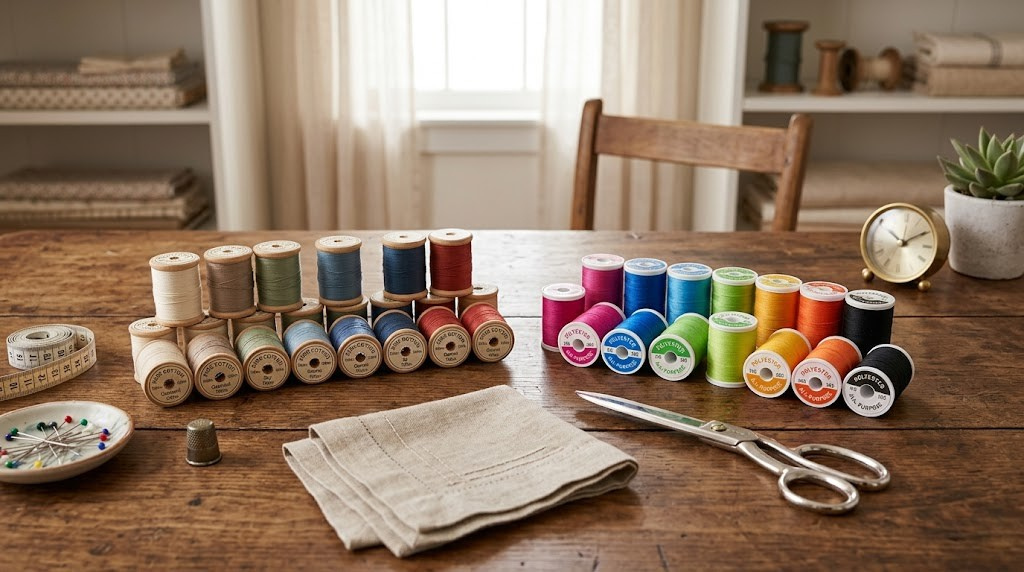
Walk into any fabric store, stand in front of the thread wall, and the sheer number of spools is genuinely intimidating. Hundreds of colors in at least two main fiber types — cotton and polyester — plus their cousins: cotton-wrapped poly, all-purpose, heavy-duty, serger cones, invisible monofilament, silk finish, glazed, mercerized, and about a dozen marketing terms that nobody explains. Most sewists I’ve met in twenty years just reach for whatever matches the color best and hope for the best. That usually works. Until it doesn’t.
The thing is, polyester thread vs cotton thread is not a tie. They are fundamentally different materials, and each one does specific jobs dramatically better than the other. Use the wrong one and you get puckered seams, broken stitches after a single wash, shrinking quilt tops, melted thread under a hot iron, or garment seams that tear open at the shoulder the first time someone puts the shirt on a hanger. Use the right one and the seam outlives the fabric. This guide exists to cut through the spool-aisle confusion with tested, side-by-side answers, so you always know which one to grab.
Quick Verdict & Cheat Sheet
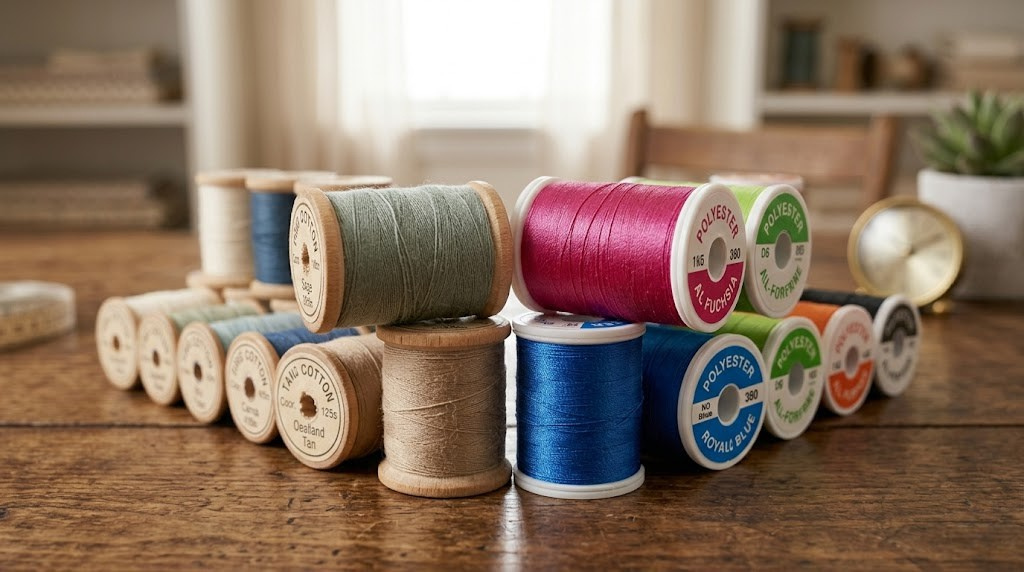
If you only have 30 seconds, here’s the decision tree I give beginners in the workroom: choose cotton thread for 100% cotton fabrics that won’t stretch — cotton quilts, lightweight cotton garments, heirloom sewing, and any project where you need the thread to behave exactly like the fabric. Choose polyester thread for almost everything else — garments with any stretch, synthetics, heavy fabrics, children’s clothes, home décor, bags, denim, outdoor gear, anything that will be washed frequently, and anything that needs to hold up under stress.
The One-Sentence Answer
Polyester thread wins on strength, stretch, durability, and versatility; cotton thread wins on thermal tolerance, needle-punch friendliness for quilting, and a natural matte finish that disappears into traditional fabric — pick based on the fabric, not the habit.
At-a-Glance Comparison
| Property | Cotton Thread | Polyester Thread |
|---|---|---|
| Tensile Strength | Moderate (2–3 lbs avg) | High (4–7 lbs avg) |
| Stretch / Elasticity | Almost none (~3%) | Excellent (~15–25%) |
| Heat Resistance | Excellent – survives 400°F+ iron | Good – softens around 440°F, melts ~480°F |
| Shrinkage | 1–3% on first wash | Essentially 0% |
| Colorfastness | Can fade with sun & bleach | Excellent – retains color |
| Abrasion Resistance | Fair | Excellent |
| Lint Production | High | Low |
| Sheen | Matte (unless mercerized) | Subtle natural sheen |
| Best For | Quilting, cotton garments, hand-appliqué, heirloom | Stretch knits, outerwear, denim, bags, kidswear |
| Typical Lifespan on Shelf | 2–5 years before weakening | Decades if stored dry |
| Price (per meter) | Slightly higher | Slightly lower |

Best All-Purpose Polyester Thread
Gütermann Sew-All Polyester — the industry gold standard for garment sewing. Low lint, strong twist, massive color range.
View on Amazon →Thread 101: The Anatomy of a Spool
Before we compare the two fibers head-to-head, it helps to understand what a sewing thread actually is. Because if you think thread is just “a thin string you sew with,” you’ll miss why two spools at the same thickness can perform completely differently on your machine. A modern sewing thread has four properties that decide its behavior: fiber, ply, twist, and finish. Every cotton vs polyester comparison comes back to these four things.
Fiber
The raw material. Cotton comes from the seed-hair of the cotton plant (Gossypium), spun into continuous filaments. Polyester is a plastic — specifically polyethylene terephthalate, the same polymer used in soda bottles — extruded into long continuous fibers. Every other property of the finished thread is downstream of this one choice.
Ply
Ply refers to how many individual strands are twisted together to form the final thread. Most quality sewing threads are 2-ply or 3-ply. A 3-ply thread is rounder, stronger, and more balanced than a 2-ply at the same final weight — it’s one of the quickest tells of a quality spool. Bargain-bin threads are often single-ply or poorly twisted 2-ply, which is why they fray, shred, and break under the needle.
Twist Direction (S-Twist vs Z-Twist)
Industrial sewing machines in the Western world are almost universally built to run Z-twist thread on top and either Z or S in the bobbin. If you use an S-twist thread on top, the needle’s rotation can actually untwist the thread mid-stitch, causing it to fray and split. You usually don’t need to check this — virtually all spools sold for home machines are Z-twist — but if you ever source thread from a tailoring supply house and it keeps shredding for no reason, flip the spool and check the direction of the twist.
Finish
The final treatment applied to the thread. Mercerization is a caustic bath that gives cotton thread a slight sheen and increased strength. Glazing or “polishing” adds a wax or resin coating — common on heavy-duty hand-quilting cotton. Polyester threads are often siliconized, giving them that characteristic slick feel that reduces friction through the needle. Finishes matter because they dictate how the thread behaves in heat, water, and under repeated needle passes.
Thread Weight Numbering
Two standards exist, and they are backwards from each other. In the Tex system, higher = thicker (Tex 40 is thicker than Tex 30). In the European “weight” numbering system favored by Gütermann, Mettler, and Aurifil, higher = thinner. A 50wt thread is finer than a 30wt thread. This is genuinely confusing until you internalize it. For most home sewing, 40wt to 50wt is the all-purpose range for both cotton and polyester.
What Is Cotton Thread, Really?
Cotton thread is made from staple fibers — short segments of cotton lint that are combed, carded, and spun together to form a continuous strand. Unlike polyester, which is a single extruded plastic filament that can run for miles, cotton is thousands of tiny fibers held together by twist. That’s the single most important fact to remember about cotton thread, because every one of its quirks flows from this structure.
Because cotton is a natural fiber, its quality depends heavily on staple length. Long-staple cotton like Egyptian Giza or Pima produces smoother, stronger, shinier thread than short-staple cotton because there are fewer fiber ends sticking out along the length of the strand. Premium quilting cottons from brands like Aurifil (Mako Egyptian), Mettler Silk-Finish, and Superior Threads MasterPiece are all made from long-staple cotton. Budget cotton threads — the dollar-store spools — are usually short-staple and you can feel the fuzziness when you pinch the strand between your fingertips.
How Cotton Thread Is Made
The raw cotton is first ginned to remove seeds, then cleaned and carded into a loose rope of aligned fibers called a sliver. The sliver is progressively drawn finer and finer through a series of rollers, and then twisted into single-ply yarn. Two or three of those single-ply yarns are twisted together in the opposite direction to form the final thread. Finally, the thread passes through mercerization — a tension bath in caustic soda — which swells the cotton fiber, rounds it out, increases its strength by roughly 25%, and gives it that slight luster cotton sewing thread is known for.
Characteristic Feel
Cotton thread feels slightly fuzzy when you run it through your fingers. If you press it firmly between your fingernails and slide, a quality cotton will leave a very small amount of lint on your nail. This is normal and expected. A poor-quality cotton will leave a visible dusting of fluff. You’ll see the same story inside your bobbin case — cotton thread deposits more lint than polyester, which is why cotton-heavy sewists need to clean their machine more often.
Why People Love It
Cotton thread has personality. It ages with the fabric, shrinks slightly with the fabric on first wash (which “sets” the seam and actually strengthens it on cotton quilts), and develops the same soft, broken-in hand that quilters love. It also handles heat without complaint — a cotton thread will never melt under an iron. For traditional quilts, cotton-on-cotton is a hundred-year-old standard for a reason.

Best Cotton Thread for Piecing & Quilting
Aurifil Mako 50wt cotton — Egyptian long-staple, low-lint, ultra-smooth. The thread most competition quilters reach for.
See Our Top Cotton Threads →What Is Polyester Thread, Really?
Polyester sewing thread is a continuous synthetic filament made by melting polyethylene terephthalate pellets, extruding them through fine spinnerets, and drawing the resulting filaments to align the polymer chains. Because the thread is born as one continuous strand rather than thousands of short fibers, polyester is inherently stronger, less lint-prone, and smoother than cotton at the same weight. It is, in every mechanical sense, a stronger fiber.
The Two Kinds of Polyester Thread
This is where it gets interesting, because “polyester thread” is actually a category, not a single product. There are two main constructions, and they behave quite differently:
- Spun polyester — polyester filaments are cut into staple lengths and then spun together, mimicking the structure of cotton. Feels slightly fuzzy, behaves more like cotton, common in cheap all-purpose thread, great for general sewing.
- Filament (continuous) polyester — long, unbroken polyester filaments twisted together. Feels slippery and shiny, stronger than spun polyester of the same weight, found in premium garment thread, sometimes texturized for sergers.
When someone writes “polyester thread” without qualification, they usually mean spun polyester — the everyday workhorse sold in Coats & Clark, Mettler Metrosene, and the base Gütermann Sew-All. Filament poly is typically labeled “continuous filament,” “trilobal,” or “embroidery polyester.”
Core-Spun and Corespun Threads
A third category worth knowing: core-spun threads use a continuous polyester filament core wrapped in a cotton or spun-polyester sheath. This gives you the strength of filament polyester with the hand-feel and heat tolerance of cotton. Coats Dual Duty is the classic cotton-wrapped core-spun thread. Industrial sewists love corespun because it runs fast, breaks rarely, and handles needle heat better than pure polyester.
Why Polyester Took Over
Before the 1960s, almost all domestic sewing thread in the US was cotton. Polyester became dominant for three practical reasons: it works on synthetic and stretch fabrics where cotton tears, it doesn’t rot in a damp basement, and it doesn’t shrink or lose strength when the finished garment goes through thirty wash cycles. For clothing made from synthetics — which is most modern clothing — polyester is the only sensible match. Cotton on polyester fabric creates the worst of both worlds: no stretch, high lint, and eventual failure.
The Modern Premium Polyester
Today’s best polyester sewing thread is nothing like the scratchy, rope-feeling poly of the 1970s. Modern Gütermann Sew-All, Mettler Metrosene Plus, and Coats Eloflex are continuous-filament polyesters with siliconized finishes, high tensile strength, and colorfast dyes that outlast anything cotton can offer. If you’re sewing clothing, these are the threads that will actually stay in one piece through the life of the garment.
Strength & Breaking Point: Head-to-Head
Let’s put numbers on it. Tensile strength — the force required to snap a piece of thread — is the single most-tested property in thread comparisons, and polyester wins every time, at every weight. That said, “wins” doesn’t mean “should always be used.” Thread strength is a bell curve: too weak and the seam fails; too strong and the seam is stronger than the fabric, which means stress tears through the fabric around the stitching instead of breaking the thread, creating a far worse repair situation. Matching thread strength to fabric strength is the actual goal.
Typical Breaking Strength (40wt all-purpose thread)
| Thread Type | Breaking Strength | Best Fabric Pairing |
|---|---|---|
| Cotton (mercerized, long-staple) | ~2.8 lbs (12.5 N) | Quilting cotton, linen, muslin |
| Cotton (short-staple, budget) | ~1.8 lbs (8 N) | Basting only, honestly |
| Spun Polyester | ~4.5 lbs (20 N) | All-purpose, garments |
| Filament Polyester | ~6.8 lbs (30 N) | Heavy garments, activewear |
| Core-spun (poly core / cotton sheath) | ~5.5 lbs (24 N) | Industrial use, denim |
| Upholstery / Heavy-duty polyester | ~9+ lbs (40+ N) | Upholstery, leather, canvas |
Abrasion Resistance: The Underrated Metric
Breaking strength gets all the attention but abrasion resistance matters more for real-world seam life. Every time a garment is worn, washed, or folded, the thread rubs against itself and the fabric. Over thousands of cycles, that rubbing wears down the surface of the thread until it eventually parts — not because it was pulled too hard but because it was slowly sanded away. Polyester’s smooth filament surface gives it roughly 3 to 5 times the abrasion resistance of cotton. This is the hidden reason polyester-sewn seams last longer than cotton-sewn ones in everyday clothing, even when neither thread ever gets pulled to its breaking point.
UV Exposure and Outdoor Life
There’s one area where cotton actually outperforms regular polyester: outdoor longevity in direct sunlight. Standard polyester degrades under prolonged UV exposure (outdoor marine fabric uses specifically UV-stabilized polyester for a reason). Cotton degrades too, but somewhat differently — it becomes brittle rather than cleanly losing strength. For any outdoor project — awnings, tents, outdoor cushions, boat covers — you actually want a specialized marine-grade UV-resistant polyester, not regular thread, and absolutely not cotton.
The rule I teach in classes: “the thread should be slightly weaker than the fabric.” If stress ever destroys the seam, you want the thread to go before the fabric. Re-sewing a seam is a five-minute fix; patching a torn-out fabric seam line is a weekend project.

Best Heavy-Duty Polyester
Coats Dual Duty XP Heavy — core-spun construction, exceptional abrasion resistance, the pros’ pick for bags, denim, and outdoor gear.
Check Price →Stretch, Elasticity & Recovery
This is the single biggest functional difference between the two fibers, and the one that causes the most garment disasters when sewists use the wrong thread. Cotton thread has virtually no stretch — around 3% elongation before it snaps. Polyester thread has significant stretch — 15 to 25% elongation with recovery. If you sew a knit fabric seam with cotton thread, the thread will snap the first time the fabric stretches past 3%, which for most knits happens the moment the wearer puts it on. Polyester thread stretches with the fabric and recovers.
Why Elasticity Matters on Every Seam (Not Just Knits)
Even on woven fabrics, every seam flexes in use. Armholes bend, knee seams bend, waistbands expand when you sit down, button plackets pull when you lean forward. A thread with no give transmits all of that stress into a single fiber. A thread with stretch absorbs it and redistributes the load. This is why garments sewn with polyester feel more resilient over years of wear, even when both threads are technically strong enough on paper.
Activewear and Stretch-Specific Threads
For high-stretch fabrics — swimwear, activewear, lingerie, leggings — there are specialized “stretch” threads like Coats Eloflex and Gütermann Extra Strong elastic. These are polyester threads engineered with higher elongation (up to 35%) for extreme stretch. Still polyester, just dialed up. Cotton is simply not an option in this category. The fabric will tear the thread on the first wear.
When Cotton’s Rigidity Is Actually an Advantage
Everything has two sides. For piecing a quilt top, you want rigidity. You want every seam to be exactly where you put it, with no micro-stretch wiggling blocks out of alignment. For heirloom sewing and historical reproduction garments where the fabric shouldn’t recover from pulls, cotton is perfect. For tailored structured garments like a blazer with hand-padded lapels, cotton’s lack of stretch helps maintain the shape you’ve built.
Heat, Iron & Care Tolerance
Press any seam long enough with a hot enough iron and polyester thread will eventually soften, flatten, or in worst cases melt and glue itself to the fabric. Cotton thread can be hit with a 450°F iron indefinitely without degradation. This is the main category where cotton genuinely beats polyester, and it’s why cotton remains the default thread for quilting, pressed garment construction, and any project that involves heavy ironing.
Specific Heat Tolerance
| Heat Source | Cotton Thread | Polyester Thread |
|---|---|---|
| Warm iron (~300°F / 150°C) | No effect | No effect |
| Hot iron (~400°F / 205°C) | No effect | Slight softening possible |
| Linen setting (~450°F / 230°C) | No effect, scorches slowly | Softens, may flatten seam |
| Direct iron on thread (440°F+) | Still fine | Melts, glues to fabric |
| Clothes dryer (~135°F / 57°C) | No effect | No effect |
| Commercial steam press | Excellent tolerance | Use caution, use press cloth |
| Sewing needle heat (friction) | Handles well | Can soften on very long seams |
The Needle Heat Problem
This surprises beginners: on very long seams at high machine speeds, the needle itself gets hot enough to soften polyester thread in the needle eye. This can cause the thread to stretch, fray, or skip stitches. Industrial lines solve this with silicone lubrication and titanium-coated needles, but on a home machine, if you’re running long continuous polyester seams at full speed, you may see thread breakage that disappears if you slow down. It’s not a defect — it’s physics.
Press Cloths Are Your Friend
Whether you’re using polyester thread on a synthetic fabric or pressing a cotton seam, a press cloth (a thin muslin or silk organza layer between iron and garment) protects both the fabric and the thread. On shiny polyester garment fabric, a press cloth also prevents the fabric from developing a permanent shine where the iron touched. You want one, and you should use it more than you probably do.
Shrinkage, Fading & Colorfastness
Fiber behavior under water and sun is another real divide. Cotton thread is hygroscopic — it absorbs water, swells when wet, and contracts as it dries. On the first wash, cotton thread typically shrinks 1% to 3%. Polyester thread, being a plastic, does not absorb water. It does not shrink. It does not swell.
What Shrinkage Actually Does to a Seam
When you sew a 100% cotton quilt with 100% cotton thread, both shrink at roughly the same rate on the first wash. The seam contracts with the fabric and everything looks perfectly integrated — in fact many quilters prewash their tops specifically to get that crinkly, lived-in texture after shrinkage. Now imagine you sew that same 100% cotton quilt with polyester thread. The fabric shrinks 2%; the thread doesn’t budge. The result is a quilt that puckers slightly along every seam line, because the fabric has compressed around a thread that refused to. Subtle, but real, and pro quilters can spot it across the room.
Reverse the materials — sew a polyester garment with cotton thread — and you have the opposite disaster: the thread shrinks but the fabric doesn’t. Now the seams pucker and draw up. Match fiber to fiber and this problem disappears.
Colorfastness Under Washing
Polyester’s dye molecules are locked inside the plastic polymer structure. They do not bleed, do not fade, and do not transfer. Cotton is dyed on the surface of a natural fiber, and the dye can slowly wash out over many cycles, especially on deep saturated colors like red, navy, and black. For garments washed weekly for years, polyester thread will hold its color longer.
Bleach and Detergent
Chlorine bleach destroys cotton thread over time and can turn colored cotton seams permanent pink or gray. Polyester is far more bleach-tolerant — critical for things like kitchen towels, white uniforms, and hotel linens. Oxygen bleach is generally safe on both. Hot-water washing breaks down cotton thread faster than cold washing. Polyester doesn’t notice the difference.
Sun Fading
UV degrades both fibers, but cotton fades more visibly in color while losing less structural strength; polyester is relatively colorfast under UV but can actually lose tensile strength with long exposure. For an item that will live outdoors or in direct sun — garden curtains, patio cushions, car upholstery — neither regular cotton nor regular polyester is correct. You want a dedicated UV-resistant outdoor thread.
How Each Thread Actually Runs on a Sewing Machine
Two threads that look identical on the spool behave very differently when actually stitching. Every home machine has a thread path with at least a dozen friction points, and the two fibers interact with those points in distinct ways. This is where good thread earns its slightly higher price — and where bargain thread reveals itself.
Tension Behavior
Polyester thread has more natural give, which means your tension dial has a wider “sweet spot.” You can often sew poly-on-poly with default tension and get balanced stitches without fussing. Cotton thread is less forgiving. When switching from polyester to cotton, you typically need to adjust tension one or two numbers — often loosening the top tension slightly because cotton’s fuzzier surface creates more drag through the tension discs.
Lint and Bobbin Maintenance
Cotton thread deposits 3 to 5 times more lint inside your machine than polyester. That lint collects in the bobbin area, around the feed dogs, and inside the tension discs. If you quilt with cotton on cotton all day, you need to clean the bobbin case every time you change the bobbin. Ignore it and you’ll eventually get tension problems, skipped stitches, and that characteristic “slow-machine” feeling as friction builds up. Polyester thread deposits far less lint, which is why garment sewists can sometimes go weeks between cleanings.
Skipped Stitches and Thread Breaks
A skipped stitch happens when the needle’s thread loop doesn’t meet the bobbin hook properly. Cotton thread, being stiffer, sometimes forms less predictable loops, especially on knits or slippery synthetics where the fabric flexes. Polyester’s more elastic loop is easier for the hook to catch. This is the second reason polyester is better for knit fabrics — not just stretch, but loop formation. If you’re troubleshooting stitches that won’t form reliably, checking our guide on thread substitutions also covers when a thread is simply wrong for the task.
Needle Matching
Thread weight drives needle choice, but fiber also matters. Polyester threads benefit from needles with better scarf geometry — microtex, stretch, or jersey needles depending on fabric. Cotton threads pair well with universal or quilting needles. Using the wrong needle-thread combo is a fast track to skipped stitches, broken threads, and damaged fabric. A full needle walkthrough is in our piece on sewing machine needle sizes explained.
Best Thread for Quilting: Cotton vs Polyester Showdown
Quilting is the one category where there is genuine disagreement among experienced sewists — more than any other application. Traditional quilters (myself included for many years) insist on cotton-on-cotton for a whole list of reasons. Modern and art quilters often reach for polyester because they want to show stitching as a design element. Both camps are right, for different reasons.
The Case for Cotton in Quilting
- Shrinkage harmony. Cotton thread on cotton fabric shrinks together, creating that slightly crinkled “antique quilt” texture quilters love.
- Needle-punch behavior. Cotton thread compresses and beds down into cotton fabric after washing, becoming almost invisible. Polyester tends to sit on top of the fibers a little longer.
- Heirloom longevity. When properly stored, 100% cotton quilts from 150 years ago survive; we don’t yet have a century of data on polyester quilts.
- Press tolerance. Quilts get heavily pressed. Cotton doesn’t care about iron temperature.
- Tradition and resale value. Competition and heirloom quilts are judged on cotton-on-cotton construction.
The Case for Polyester in Quilting
- Strength for free-motion quilting. Dense FMQ puts stress on thread. Polyester breaks less often.
- Finer threads available. Polyester can be spun finer than cotton without losing strength, giving quilters access to 60wt or 100wt threads for micro-quilting without bulk.
- Sheen for design. A subtle poly shine can be a deliberate aesthetic choice on modern quilts.
- Non-shrink stability. If the quilt is made from poly-blend or batiks that don’t shrink, poly thread avoids puckering.
- Color range. Variegated and specialty color polyester threads vastly outnumber cotton options.
What Most Quilt Teachers Actually Recommend
Use 50wt cotton for piecing quilt tops — it presses flat, doesn’t bulk up seam allowances, and behaves predictably. Use whatever thread matches your aesthetic for quilting the layers together, but default to 40wt or 50wt cotton unless you have a reason to switch. Aurifil 50wt Mako is the piecing thread that has won more quilt shows than any other in the past decade, and it’s a cotton.
Cotton Wins For
- Piecing traditional quilt tops
- Hand-quilting
- Heirloom and reproduction quilts
- Projects with heavy ironing
- Competition quilting
Polyester Wins For
- Dense free-motion quilting
- Micro-quilting (60wt+)
- Variegated decorative stitching
- Quilts with synthetic blends
- Utility quilts washed heavily
Best Thread for Garments: The Clear Winner
When we move from quilting to clothing, the ambiguity disappears. For 95% of garment sewing today, polyester thread is the correct choice. The reason is simple: modern fabric almost always contains synthetics, spandex, or some element that stretches or flexes, and polyester thread is the only common fiber that keeps up with that movement. Cotton is reserved for specific cases.
What I Reach For, By Garment Type
| Garment | Recommended Thread | Why |
|---|---|---|
| T-shirts (jersey knit) | Polyester 40wt or Stretch | Knits flex constantly; cotton will snap |
| Leggings / Activewear | Stretch polyester (Eloflex) | Extreme stretch required |
| Jeans / Denim (structural seams) | Polyester heavy-duty 30wt | Abrasion + load requirements |
| Jeans / Denim (topstitching) | Heavy cotton or poly topstitch | Contrast thread visible on surface |
| Cotton woven blouse / dress shirt | Polyester or fine cotton 50wt | Either works; polyester for longevity |
| Linen shirt / summer dress | Cotton or polyester 50wt | Linen doesn’t stretch; cotton matches feel |
| Children’s clothes | Polyester 40wt | Washing survivability |
| Bridal / Heirloom | Fine polyester or silk | Invisible seams, long-term stability |
| Silk / Fine wovens | Silk or fine polyester 60wt | Reduce fabric puncture visibility |
| Wool coat / Blazer | Polyester 40wt or silk basting | Stability for structured construction |
Topstitching Specifically
Topstitching is where thread shows, and where thread choice is partially aesthetic. Heavy-duty topstitching thread (Gütermann Top Stitch, Coats & Clark Topstitching) exists in both polyester and cotton-wrapped polyester, and both work. Pure cotton topstitch thread is traditional for denim and workwear — the gold thread on jeans is usually cotton or cotton-poly. Pure polyester topstitch is used on technical garments. Pick based on look, not strength — both are strong enough.
Hidden Seam Construction Thread
For internal structural seams that nobody will ever see, always default to polyester. The thread has to survive years of washing and flex, and nobody cares what fiber it is as long as it holds. The only exception: if you’re sewing with 100% natural fibers on a historical or heirloom garment meant to last a century without polymer contamination, cotton or silk is correct.
What About Zippers?
Zippers deserve their own note. Metal and plastic zippers both benefit from polyester thread on the installation seams because of the abrasion of the zipper pull itself. Installing an invisible zipper in a silk dress? Use polyester. The hidden structural seam alongside a zipper flexes every time the zipper is used. Our complete zipper guide covers thread choice for each zipper type.
Heavy Fabrics, Denim, Bags & Outdoor Projects
For anything where the finished project must survive real-world abuse — tool bags, canvas totes, denim jackets, car covers, outdoor cushions, pet beds, hunting gear, camping equipment — polyester thread is not merely preferred; it is structurally mandatory. The combination of abrasion resistance, UV behavior (for UV-stabilized variants), rot resistance, and tensile strength is not achievable with cotton.
Denim Specifically
Denim creates two different thread jobs. The structural seam inside is under stress every time someone sits, stretches, or walks. This needs strong polyester or heavy-duty polyester core-spun thread. The decorative topstitching on the outside is largely cosmetic — thick gold-tone cotton-wrapped polyester (Coats & Clark Dual Duty Heavy in gold) is the industry standard and what you see on nearly every commercial jean. For both seams, your machine may need a stronger needle (size 100/16 or 110/18) and the tension may need to be adjusted. On an underpowered home machine, you can sometimes save yourself by using a smaller needle and heavy-duty polyester rather than a huge needle and topstitch thread — the seam is still structurally identical.
Upholstery and Home Décor
Upholstery thread is almost always bonded polyester or nylon — thread that has been coated with a resin to prevent unraveling and increase needle-friendliness. Bonded polyester is the go-to for slipcovers, cushions, and chair recovering. Cotton thread has no place in upholstery; it won’t survive a year of sitting abrasion.
Bags and Totes
A tote handle takes more stress than almost any other seam in sewing. You want heavy-duty polyester, preferably with a bartack reinforcement, preferably with a 90/14 or 100/16 needle. For a detailed rundown of the intermediate-level machines that handle bag-weight thread and multiple fabric layers without complaint, our roundup of best sewing machines for intermediate sewers identifies the ones that can actually handle it.
Canvas, Sail, and Marine
These projects need specialized UV-resistant polyester (Tenara, Profilen, or Gütermann R 753) because regular polyester slowly degrades in direct sun. Never use cotton — it will rot with the first rain. The marine-grade threads are expensive but last decades outdoors.
Hand Sewing & Embroidery: A Different Rulebook
When you pull the thread by hand instead of running it through a machine, a new set of properties matters. The thread has to be smooth enough not to tangle in loops, stiff enough to thread through a needle easily, grippy enough to hold a knot, and visually appropriate to the project. Many hand sewists actually prefer cotton here — the opposite of the machine conclusion.
Why Cotton Shines in Hand Sewing
- Grip and knot-holding. Cotton’s fuzzy surface grabs onto itself, making knots reliable. Polyester knots can slip loose.
- Less tangling. Cotton’s natural twist memory resists the spiraling tangle that polyester develops when pulled through fabric repeatedly.
- Predictable stretch (i.e., none). For appliqué and embroidery where you want stitches to stay exactly where you place them, cotton’s non-stretch behavior is perfect.
- Threading ease. Cotton threads don’t slip out of the needle eye as easily as slippery polyester.
- Beeswax compatibility. Waxing cotton hand-sewing thread is a centuries-old technique. Polyester doesn’t accept wax as well.
Why Polyester Sometimes Still Wins for Hand
For hand-sewing stretch fabrics (repairing a knit, basting elastic), polyester still wins. For invisible hemming on delicate synthetics, fine polyester or silk outperforms cotton. For beading and sequin attachment, bonded nylon or polyester beading thread is standard.
Hand Embroidery Specifically
Embroidery floss is almost always cotton — six-strand divisible stranded cotton from DMC, Anchor, or Cosmo. Embroidery floss is not really “thread” in the sewing sense; it’s a decorative surface fiber. Polyester embroidery thread exists (for machine embroidery) and is shinier, more colorfast, and great for logos and applique, but for hand cross-stitch and traditional embroidery, cotton rules.
Hand-Quilting Thread
Hand-quilting thread is a specialty category — glazed cotton, typically thicker than machine thread, coated with a wax finish to slide through multiple layers without tangling. Products like Gütermann Hand Quilting or YLI Hand Quilting are glazed cotton specifically engineered for the job. Never use this in a sewing machine — the glaze can gum up tension discs.
Environmental Impact: Cotton vs Polyester
If sustainability factors into your choice, the picture is more complicated than “natural fiber good, plastic fiber bad.” Both have meaningful environmental footprints, and the honest comparison requires looking at lifecycle, not just raw material.
Cotton’s Footprint
Cotton is biodegradable and renewable, which is the big win. But conventional cotton is also enormously water-intensive — industry estimates run to thousands of liters per kilogram of finished thread — and conventionally grown cotton is the single largest user of pesticides among row crops globally. Organic cotton cuts the pesticide load but keeps the water footprint. For a small spool of thread the absolute numbers are tiny, but at industry scale they matter.
Polyester’s Footprint
Polyester is petroleum-derived, energy-intensive to produce, and doesn’t biodegrade — a thread made today will still be identifiable in a landfill five hundred years from now. Microfiber shedding during washing contributes to ocean microplastic. On the other hand, polyester uses far less water in production, requires no pesticides, and recycled polyester (rPET) from post-consumer plastic bottles is now mainstream and substantially lower-impact than virgin polyester.
The Practical Sustainability Answer
For the minuscule amount of thread in any single garment (usually under 1% of total material weight), fiber choice is almost irrelevant compared to the sustainability impact of the fabric itself and — far more importantly — whether the finished item gets worn for ten years or thrown out after one. A garment that falls apart after six months because of the wrong thread is the worst environmental choice. Both cotton and polyester thread that make durable, long-lived garments are a net sustainability win.
Cost, Value & Where to Buy
Thread pricing can look all over the map — a 110-yard spool from a chain craft store for $2.99, a 1,422-yard spool of Aurifil for $12.99, and industrial 6,000-yard polyester cones for $8.99. The trick to comparing prices is always converting to cost-per-meter. When you do, premium and economy thread are much closer in actual yardage price than the shelf prices suggest, and premium thread is usually a better value on a per-meter basis.
Typical Price Per Meter (2026 US pricing)
| Thread | Spool Size | Price | Cost / Meter |
|---|---|---|---|
| Coats All-Purpose (poly-wrapped cotton) | 250 yd | $3.49 | ~$0.015 |
| Gütermann Sew-All polyester | 110 yd | $3.99 | ~$0.040 |
| Gütermann Sew-All (547yd) | 547 yd | $8.99 | ~$0.018 |
| Mettler Metrosene polyester | 165 yd | $4.49 | ~$0.030 |
| Aurifil 50wt Mako cotton | 1,422 yd | $12.99 | ~$0.010 |
| Maxi-Lock serger polyester | 3,000 yd | $4.99 | ~$0.002 |
| Dollar-store unbranded cotton | 100 yd | $1.00 | ~$0.011 |
What Bargain Thread Actually Costs You
Cheap thread is the worst deal in sewing. Poor-quality thread sheds lint into your bobbin area, fails tension tests, breaks mid-seam, and sometimes destroys projects that took days. A $40 garment ruined by $1 thread is the world’s worst ROI. For roughly 30 cents more per spool, you can have thread that runs flawlessly through any home machine. The math is never in favor of bargain thread.
What to Actually Stock
For a working home sewing kit, stock at minimum: a big cone of neutral all-purpose polyester (beige or gray) for structural seams, a spool of white and one of black polyester, three or four matching colors for current projects, a spool of 50wt cotton for piecing, and a spool of heavy-duty polyester for bags and topstitching. This is about $40 in thread and covers 95% of what you’ll sew.
Common Myths About Cotton vs Polyester Thread
Myth #1: “Cotton thread is always weaker than polyester”
Partly true, partly misleading. Ounce for ounce at the same weight, polyester is stronger. But a high-quality 50wt long-staple Egyptian cotton is substantially stronger than a bargain-bin polyester. The fiber matters less than the quality of that fiber. Premium cotton vs bargain polyester is a match the cotton usually wins.
Myth #2: “You should never use cotton thread in a modern sewing machine”
False. Every modern home sewing machine is designed to handle both cotton and polyester without issue, as long as the thread is clean, well-wound, and the needle matches the thread weight. Skipped stitches, breakage, and tension problems are virtually never caused by “using cotton in a modern machine” — they’re caused by bad thread, the wrong needle, or dirty bobbin areas.
Myth #3: “Polyester thread will melt from needle heat in normal use”
Nearly impossible at home machine speeds. Needle heat only becomes an issue at industrial continuous speeds (4,000+ stitches per minute) on very long seams. Home machines running at 800-1000 spm don’t come close. If your polyester is breaking on long seams, the culprit is almost certainly tension or a burred needle, not heat.
Myth #4: “Cotton thread is more natural and therefore always healthier for your garment”
The fiber of the thread doesn’t make a garment “healthier” in any meaningful sense. A polyester thread in a cotton shirt means roughly 0.5% of the total garment is polyester. You won’t notice, and it won’t affect breathability or skin feel.
Myth #5: “All polyester threads are the same”
Very false. The gap between cheap spun polyester and premium continuous-filament polyester is enormous. A $3 spool of Gütermann Sew-All will outperform a $1 bargain polyester in every test. Brand and construction matter.
Myth #6: “Thread weight and thread size are the same thing”
They’re not, and the numbering is backwards on “weight” thread. Higher weight number = thinner thread in the common European system. Tex = higher number is thicker. Denier (uncommon in home sewing) is also higher = thicker. When in doubt, read the actual thread thickness in mm on the manufacturer’s data sheet.
Pro Tips From the Workroom
Tip 1 — Match Thread to Fabric, Then to Color
Before you even think about color matching, decide fiber. Cotton fabric → cotton or polyester both work, polyester for durability. Synthetic or blend fabric → polyester. Knits → polyester or stretch. Once fiber is decided, then color match. Getting fiber wrong and color right still produces a failed garment; getting color “close enough” and fiber right produces one that survives decades.
Tip 2 — Bobbin Can Be a Different Thread Than Top
This surprises beginners, but it’s completely normal to run a different thread in the bobbin than on top. Some experts always run fine polyester bobbin thread (like Bottom Line by Superior Threads) because it’s cheaper, runs thinner, and makes the top thread “pop” on decorative stitching. For basic sewing, matching top and bobbin is easiest, but nothing breaks if you don’t.
Tip 3 — Use the Right Scissors
Polyester fuses slightly when cut with dull scissors, leaving a tiny ball at the thread end that won’t go through a needle eye. Use sharp, dedicated thread scissors. A quick list of tested options is in our sewing scissors guide.
Tip 4 — Old Thread Is Weak Thread
Cotton thread gets brittle with age, especially if stored in sunlight or humid conditions. Test grandma’s thread cabinet by snapping a length between your hands — if it breaks with gentle pressure, it’s too old for structural sewing. Polyester is more shelf-stable but can yellow and weaken after a decade. Throw out anything that doesn’t pass a gentle pull test.
Tip 5 — Match Your Thread to Your Sewing Machine’s Intended Use
Lightweight home machines were never designed for heavy-duty polyester on dense canvas. They may do it briefly but will protest. If your machine keeps jamming with certain threads, it’s often the machine-thread mismatch rather than a defective thread. A quick troubleshooting guide covers the most common machine behaviors.
Tip 6 — The “Beeswax Hand Thread” Trick
For heavy hand sewing — buttons on wool coats, leather repairs, bag handles — pull a length of cotton thread across a small beeswax block before threading your needle. The wax strengthens the thread roughly 40%, smooths it, reduces tangling, and seals the fiber against moisture. It’s an ancient trick and it still works.
Tip 7 — Quality Thread Sounds Right
When you pull a long length of premium thread off a spool and run your fingers down it, you should hear almost nothing and feel uniform smoothness. Budget thread has a rough, uneven, even squeaky feel. Once you’ve felt both, you’ll never mistake them.
Thread Weight Quick Reference
Because the numbering is genuinely confusing, here’s a practical translator between thread weights and when to use each. This applies to both cotton and polyester.
| Weight (wt) | Tex | Relative Thickness | Use | Needle Size |
|---|---|---|---|---|
| 100wt | Tex 8 | Ultra-fine | Micro-quilting, invisible applique | 60/8 |
| 80wt | Tex 10 | Very fine | Fine piecing, delicate fabric | 60/8 or 70/10 |
| 60wt | Tex 14 | Fine | Bobbin thread, fine embroidery | 70/10 |
| 50wt | Tex 18 | Medium-fine | Piecing, light garments | 75/11 or 80/12 |
| 40wt | Tex 25 | Medium (all-purpose) | General sewing, machine embroidery | 80/12 or 90/14 |
| 30wt | Tex 30 | Medium-heavy | Heavy garments, topstitching | 90/14 or 100/16 |
| 12wt | Tex 80 | Heavy | Decorative, hand look, bags | 100/16 or 110/18 |
The rule: use the finest thread that structurally works. Thinner thread creates smaller stitches, flatter seams, less fabric puckering, and a more refined finish. Going heavier than necessary is a beginner mistake that produces clunky-looking seams.
Frequently Asked Questions
Can I mix cotton thread on top and polyester in the bobbin?
Yes. Mixing thread fibers between top and bobbin is completely acceptable and quite common in professional quilting and garment sewing. Just keep the thread weights reasonably close (within 10wt or so) so the tension stays balanced. Many quilters specifically run fine polyester bobbin thread with cotton top thread to reduce bulk and save money.
Which thread lasts longer in a finished garment — cotton or polyester?
Polyester, in almost every real-world garment context. Polyester resists abrasion, water, bleach, sun fading, and repeated washing better than cotton. Cotton thread in well-stored heirloom quilts can last centuries because it isn’t being stressed, but in a garment that gets worn and washed weekly, polyester will outlast cotton by a factor of two to four in most studies.
Will polyester thread melt if I iron over my seams?
Under normal home ironing conditions — an iron on cotton or wool settings, moving across fabric — no. Polyester thread survives ironing just fine when it’s embedded between fabric layers. It only becomes a problem if you press very hot directly on an exposed polyester thread, for example pressing a scorching iron onto a pin-basted seam where thread crosses the fabric surface. When in doubt, use a press cloth.
Is cotton thread stronger than polyester thread of the same weight?
Generally, no. At equivalent weight (say, both 50wt), polyester has roughly 1.5 to 2 times the breaking strength of cotton. The exception is premium long-staple Egyptian cotton vs bargain polyester — that matchup can go either way. Against quality polyester like Gütermann or Mettler, polyester wins on pure strength every time.
Can I use polyester thread for a 100% cotton quilt?
You can, but traditional quilters avoid it because cotton fabric shrinks 1–3% on first wash and polyester thread does not. This tiny mismatch can cause the finished quilt to pucker slightly along every seam line. For utility quilts and modern aesthetics it’s fine; for heirloom, competition, or traditional quilts, cotton-on-cotton is the established best practice.
Why does my polyester thread keep fraying and breaking?
Usually not the fault of the polyester itself. The top three causes: (1) a burred or dull needle is shredding the thread as it passes through, (2) the thread path has a snag somewhere — check the tension discs, take-up lever, and thread guides, (3) top tension is cranked too tight. Swap the needle first, rethread the machine second, check tension third. Polyester actually tends to fray less than cotton in a clean machine.
Does thread color affect strength?
Slightly, yes. Black and very dark polyester threads sometimes test a hair weaker than lighter colors because heavy dyeing can stress the fiber during manufacturing. The difference is small enough that it doesn’t matter in practice for home sewing. All major brand threads meet consistent strength standards across their color ranges.
Can I use embroidery thread as regular sewing thread?
It’s not ideal. Embroidery thread — especially machine embroidery rayon and polyester — is optimized for surface shine and decorative coverage, not structural strength. It has less tensile strength than equivalent construction sewing thread and can fray on long seams. Our dedicated article on using embroidery thread for sewing covers which situations it works in and which ones will go badly.
What thread should I use for sewing elastic waistbands?
A stretch polyester like Gütermann Extra Strong elastic or Coats Eloflex. These are specifically engineered for high-elongation sewing. Never use cotton thread on any elastic seam — it will snap on the first wear. A regular all-purpose polyester will work on lightly stretchy waistbands, but for any high-stretch application, the dedicated stretch thread is worth it.
Do I need to prewash polyester thread?
No. Polyester thread does not shrink, and doesn’t need any preparation. Cotton thread also doesn’t need prewashing because it’s used in such small quantities that any shrinkage it does will just follow the fabric’s shrinkage. Prewash the fabric, not the thread.
How long does thread last on the shelf before it becomes unusable?
Quality cotton thread stored in a dark, dry, cool place lasts 3–5 years comfortably; after that it gets gradually weaker. Polyester thread can easily last a decade or more if stored away from sunlight. Sunlight is the real killer for both fibers — a spool that sat in a sunny window for a year is much weaker than one in a drawer, regardless of fiber. If in doubt, snap-test a length: if it breaks with gentle pressure, retire it.
Is there a thread that combines the best of both fibers?
Yes — core-spun thread, with a continuous polyester filament core wrapped in cotton or spun polyester sheath. It gives you polyester-level strength with cotton’s feel, heat tolerance, and machine behavior. Coats Dual Duty XP is the most widely available core-spun thread for home sewing and is an excellent “default” choice when you can’t decide.
The Final Verdict
Polyester thread vs cotton thread is not a fight one fiber wins. It’s a two-tool system. Cotton owns traditional quilting, heat-heavy pressed construction, hand sewing, and heirloom work. Polyester owns garments, stretch fabrics, heavy-duty construction, kids’ clothes, outdoor projects, and anything that will see abrasion. Core-spun sits in the middle and bails you out when you can’t decide. Stock both, match fiber to fabric, never buy dollar-store thread, and your seams will outlive the fabric they hold together.
Explore Our Top-Rated Cotton Threads →The last piece of advice I’ll leave you with: thread is the cheapest component of any sewing project and the one that most often decides whether that project survives. A five-dollar spool of premium thread on a $100 fabric garment is the smartest math in sewing. Buy good thread. Match the fiber to the fabric. Clean your bobbin area often. Replace old thread that’s been in a window. Do those four things and you’ll never again wonder whether “polyester thread vs cotton thread” is the problem — you’ll know, immediately, because the seams will be holding exactly the way they should.
Happy sewing — and may your bobbin never run out mid-seam.